

Across the Northern Plains, winters are long, cold, and unpredictable. Temperatures can plunge well below zero, winds whip across open prairies, and heavy snow can blanket communities for months at a time. For many people considering solar energy in this region, one big question comes up again and again. Can solar panels really work in these harsh winter conditions?
The short answer is yes. Solar performs far better in cold and snowy climates than most people expect. In fact, the Plains are quietly proving that solar energy is not only reliable but also an essential tool for creating energy independence and resilience, even in the most challenging environments.
Cold Weather Can Actually Boost Solar Performance
It might seem counterintuitive, but solar panels often work more efficiently in cold temperatures. Just like your phone or computer, solar panels are made of electronic components that perform better when they do not overheat. On hot summer days, extreme heat can reduce a panel’s efficiency. In winter, the cold air keeps panels cool, allowing them to convert sunlight into electricity more effectively.
That means when the sun is shining on a crisp winter day, even if there is snow on the ground, solar panels can generate a strong amount of power. The key factor is sunlight, not temperature. As long as sunlight reaches the panel surface, energy production continues.
Snow: A Temporary Setback, Not a Stop Sign
Snow is another concern for many homeowners and communities thinking about going solar. After all, if panels are covered in snow, how can they collect sunlight?
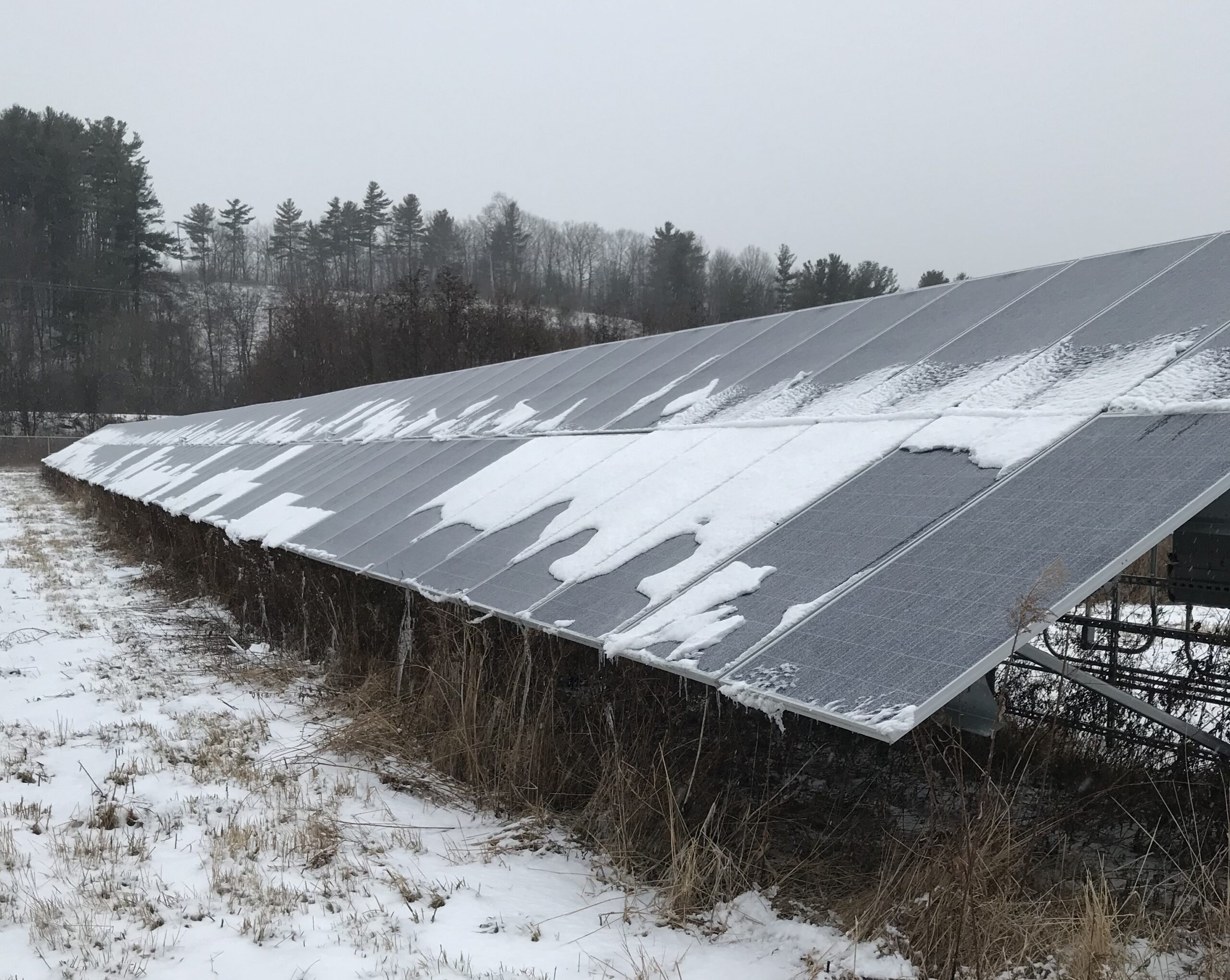
Fortunately, snow usually does not stay long enough to cause serious problems. Panels are typically installed at a tilt, allowing snow to slide off naturally as the sun warms them. Once a small patch of the panel is exposed, that section begins generating heat, helping to melt the rest of the snow more quickly.
Even better, snow can actually enhance solar output. The bright white surface of fresh snow reflects sunlight, increasing the amount of light that reaches the panels, almost like a mirror effect. This phenomenon, known as the albedo effect, helps boost production on clear, snowy days.
It is also worth noting that solar energy systems are designed with weather in mind. Quality panels and mounting systems are tested to withstand high winds, heavy snow loads, and extreme temperature swings. These are exactly the kinds of conditions common throughout the Northern Plains.
Shorter Days, Steady Power
Winter brings fewer daylight hours, which means overall energy production will be lower than in summer. However, solar systems are designed to balance that out. Energy generated during sunnier months can be stored in batteries or credited through net metering programs. This allows homes or facilities to draw on that stored power during lower-production months.
This steady year-round performance is one reason solar energy has become such a powerful solution for rural and tribal communities seeking energy sovereignty. When paired with storage, solar can provide consistent, off-grid power, even during winter storms or grid outages.
Real-World Proof Across the Plains
Many of Indigenized Energy’s projects across the Northern Plains have already proven how reliable solar can be in cold environments. From the windswept hills of North Dakota to the high plains of Montana, Indigenous communities are showing that clean energy is not only possible but practical.
The Off-Grid Buffalo Project on the Northern Cheyenne Reservation in Montana, for example, was designed to power a remote buffalo conservation site through all seasons. Despite frigid temperatures and heavy snowfall, the system continues to operate efficiently, providing renewable energy where the traditional grid cannot reach. Projects like this demonstrate that solar is a realistic, durable, and empowering option for tribes and rural communities across the region.
Energy Sovereignty in Every Season
For many Indigenous communities, the move toward solar is not just about technology. It is about sovereignty. Generating clean, reliable power locally reduces dependence on distant utilities and fossil fuels that often fail to serve remote or marginalized areas. It keeps energy dollars circulating within the community and ensures that power remains in Indigenous hands.
Because solar power requires little maintenance once installed, it is a long-term investment in resilience. During winter, when fuel deliveries may be delayed or power outages are more frequent, solar systems, especially those paired with battery storage, can keep essential services running and homes warm.
In other words, solar works in the winter because it is built for resilience, just like the people and communities of the Plains.
The Sun Always Returns
Winter may bring shorter days and colder weather, but the sun never stops shining. It is just taking a different path across the sky. For the Plains, where wind and weather test endurance every year, solar power represents something more than renewable energy. It is a reminder that even in the darkest, coldest seasons, there is light, warmth, and strength to be found in harnessing the power of the sun.
As more tribal nations and rural communities turn to solar, they are proving a powerful truth. Clean energy works here through snow, wind, and winter alike.